Supplements for healthy blood sugar
Supplements marketed for healthy blood sugar form a small but busy corner of the wellness shelf in Kenya.
- 1All products
- from Ksh6,750Price
Frequently searched
Buyer's guide
Supplements marketed for healthy blood sugar form a small but busy corner of the wellness shelf in Kenya. They are usually capsules, tablets or powders that combine plant extracts, minerals and vitamins, and they are sold as a complement to a balanced diet rather than as a replacement for anything a clinician prescribes. Interest is understandable: sugary drinks, refined flour and sedentary office work have become common in towns such as Nairobi, Mombasa and Kisumu, and many families have a relative living with diabetes. This guide explains what the category is, which ingredients appear most often, and how to judge a product calmly, without promising more than the evidence allows.
What to look for
- Check that the label lists every ingredient with amount per serving.
- Read the manufacturer's claims and note any promise of cure or guaranteed results.
- Confirm you are ordering from the official distributor, not a lookalike listing.
- Compare the stated price with what you are asked to pay on delivery.
- Ask your doctor first if you take diabetes, blood pressure or other medication.
Key ingredients
- CChromium
A trace mineral involved in how the body handles carbohydrates, and sometimes included to support normal glucose metabolism, though research results are mixed.
- BBitter melon (karela)
A fruit traditionally used in several regions for blood sugar support, with human evidence that remains limited and inconsistent.
- CCinnamon extract
A common spice extract studied for its possible effect on glucose levels after meals, with findings that vary between trials.
- FFenugreek seed
Seeds rich in soluble fibre, traditionally used in food and herbal practice, and sometimes added to slow the absorption of sugars.
- ZZinc
An essential mineral that takes part in insulin storage and release, and is often included to help cover normal nutritional needs.
- AAlpha-lipoic acid
An antioxidant compound found in small amounts in foods, used in some formulas, though evidence for glucose support is still limited.
- 1Not a medicine, not a substitute.
A dietary supplement is a different thing from a prescribed drug, and the distinction matters most in this category. Products here are generally positioned as support for people who already want to watch their glucose levels through food choices and activity. They are not tested and approved as treatment for diabetes, and no capsule can stand in for insulin or tablets prescribed by a doctor. Anyone currently taking such medication should treat a supplement as an optional extra at most, and should speak to their clinician before adding one, because combined effects are possible.
- 2Common ingredients fall into groups.
Formulas tend to draw on three families of ingredients: minerals such as chromium and zinc, plant extracts used in traditional practice such as bitter melon, cinnamon or fenugreek, and fibres or acids from foods. Each has a different level of research behind it, and results in studies are often mixed or modest. A label that lists many ingredients is not automatically better than a simple one. What matters is whether amounts per serving are stated, since a long list with no quantities tells the buyer very little about what is inside.
- 3Realistic expectations matter more than claims.
Evidence for most blood sugar supplements is limited, and any effect is likely to be small and to vary between people. Diet quality, portion size, physical activity, sleep and body weight usually influence glucose far more than a capsule does. When a manufacturer describes benefits, read them as the company's own statement, not as established fact. A sensible approach is to treat a supplement as one small part of a wider routine, and to avoid any product that speaks of guaranteed results or fixed timeframes.
Frequently asked questions
Can a supplement replace diabetes medication?
No. Supplements are not medicines and have not been shown to replace prescribed treatment. Stopping or reducing medication without medical advice can be dangerous. If you want to try a supplement, discuss it with your doctor, who can advise on safety alongside your current treatment.
Which ingredients are most common in these products?
Chromium, zinc, cinnamon, bitter melon, fenugreek and alpha-lipoic acid appear most often. Their research backing differs, and results are frequently modest or mixed. The amount per serving matters as much as the name, so choose labels that state quantities clearly.
How long before a supplement shows any effect?
There is no reliable timeframe, and responses differ from person to person. Some people notice nothing at all. Manufacturers sometimes suggest a course length, but this is not a guarantee. Regular glucose checks and medical review give a far better picture than waiting to feel a difference.
Are these supplements safe for everyone?
Not necessarily. Pregnant or breastfeeding women, children, and people with kidney or liver conditions or on glucose-lowering drugs should seek medical advice first. Some plant extracts may add to the effect of medication, which could push glucose too low.
Why are some products not sold in pharmacies?
Certain brands choose to sell only through their own distributor, taking orders by form and confirming by phone call. That is a business choice, not a sign of quality either way. It does mean you should check the seller carefully, since copies may circulate elsewhere.
When should I see a doctor instead of buying a supplement?
See a doctor if you have persistent thirst, frequent urination, unexplained fatigue, blurred vision or wounds that heal slowly, or if you have a family history of diabetes. A simple blood test can clarify your situation, and it should come before any self-directed supplement use.
Buying in Kenya has its own practical side. Some products in this category, including Dibicure, are sold directly by the official distributor rather than through pharmacies. The usual route is to complete an order form, wait for a consultant to call and confirm the details, and pay the courier on delivery. This can be convenient, though it also means checking that you are dealing with the genuine seller, because lookalike listings can appear elsewhere. Keep the delivery note, check the packaging on arrival, and ask the consultant about ingredients before agreeing to the order.
Knowing when to see a doctor is the most important point. Excessive thirst, frequent urination, unexplained tiredness, blurred vision, slow-healing wounds or sudden weight change deserve a proper medical check and a blood glucose test, not self-treatment with supplements. People with a diagnosis, pregnant or breastfeeding women, and those with kidney or liver conditions should get professional advice first. Regular screening is also sensible for adults with a family history of diabetes. Supplements, if used at all, belong alongside medical care and not in place of it.
Comparison table
| Product | Form | Key ingredients | Price | |
|---|---|---|---|---|
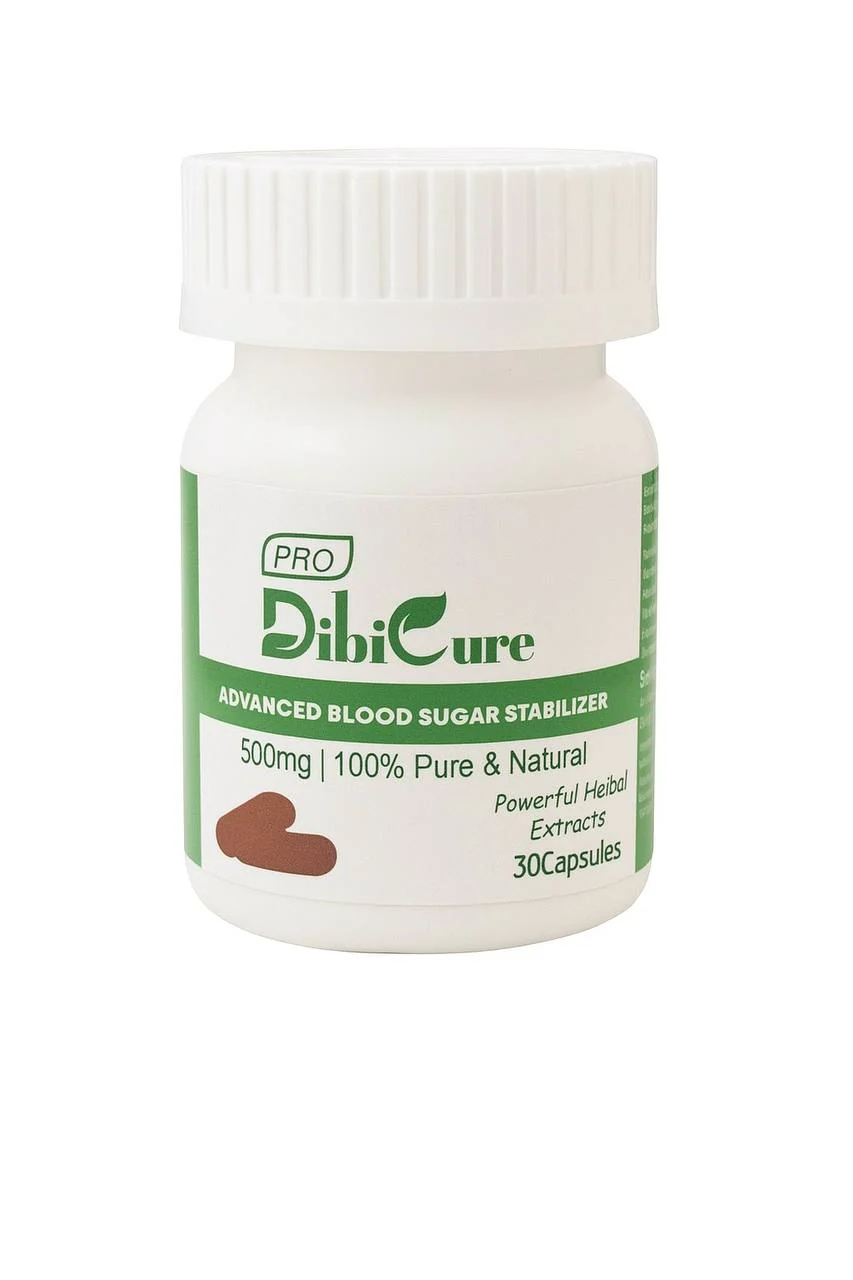 Dibicure | capsules | Bitter Melon Extract, Cinnamon Bark Extract, Fenugreek Seed Extract | Ksh6,750 | Read review |