Supplements for healthy blood sugar
Supplements marketed for healthy blood sugar form a small but busy corner of the wellness shelf in the Philippines, where concern about diabetes is widespread and many families have someone living with the condition.
- 5All products
- from ₱1,980Price
Frequently searched
Buyer's guide
Supplements marketed for healthy blood sugar form a small but busy corner of the wellness shelf in the Philippines, where concern about diabetes is widespread and many families have someone living with the condition. These products are usually capsules, tablets or drops that combine plant extracts, minerals and vitamins. They are dietary supplements, not medicines, and they are not designed to diagnose, treat or cure diabetes or prediabetes. Their stated aim, according to manufacturers, is to support normal glucose metabolism as part of a balanced lifestyle. This guide explains what the category contains, how to read a label, and what is realistic to expect. Names such as Diabetin, Glucocept, Diabextan, Gluconax and Diabex appear in this category, but the focus here is on general principles rather than on any single product.
- 01Ingredients vary widely between products.
Most formulas rely on a mix of botanical extracts with a long history of traditional use, such as bitter melon, cinnamon or gymnema, alongside trace minerals like chromium and zinc. Some add vitamins or fibre-type components. The evidence behind each ingredient differs: a few have been studied in small trials with mixed results, while others rest mainly on tradition. Doses matter, yet many labels list only the blend and not the amount of each extract. When a manufacturer does not state quantities, it is difficult to compare products fairly or to judge whether a serving contains a meaningful amount of anything.
- 02Realistic expectations are worth setting early.
A supplement may offer modest support at best, and responses differ from person to person. It cannot replace prescribed treatment, regular glucose monitoring, a sensible diet or physical activity. Anyone taking medicine for diabetes should not reduce or stop it because of a supplement. Some herbal ingredients may add to the effect of glucose-lowering drugs, which in theory could push blood sugar too low. Claims of fast, guaranteed or dramatic results are a reason for caution. A more reasonable view is that these products are an optional extra for adults who already look after their general health.
- 03Knowing when to see a doctor matters more than any product choice.
Persistent thirst, frequent urination, unexplained weight loss, blurred vision, slow-healing wounds or marked tiredness deserve a medical check, and so does a family history of diabetes. A fasting glucose or HbA1c test is the reliable way to know where you stand. Pregnant or breastfeeding women, people with kidney or liver conditions, and anyone on regular medication should speak to a doctor or pharmacist before trying a supplement. Bring the product label to the appointment so the full ingredient list can be reviewed.
Key ingredients
- BBitter melon (Momordica charantia)
Known locally as ampalaya, it is traditionally used to support normal glucose balance, although human evidence is limited and results are mixed.
- CCinnamon extract
Often included because small studies suggest it may support glucose handling after meals, though findings are inconsistent and the effect appears modest.
- CChromium
A trace mineral involved in how the body uses insulin, commonly added to support normal carbohydrate metabolism in people with adequate diets.
- GGymnema sylvestre
An herb traditionally used in Ayurvedic practice, sometimes included to support healthy sugar metabolism, with only limited clinical research available.
- ZZinc
An essential mineral that contributes to normal insulin storage and carbohydrate metabolism, and is included in some formulas as general nutritional support.
- AAlpha-lipoic acid
An antioxidant-type compound that may support normal glucose metabolism and cell protection, although the evidence for supplements remains limited.
Practical buying habits help too. Products in this category are typically sold directly by the official distributor rather than through pharmacies or online marketplaces. Ordering usually happens through a form on the product page, after which a consultant calls to confirm the details, and delivery is by courier or post with payment normally made in cash on delivery. Because listings elsewhere may be copies, it is sensible to order only from the official source. Check the price stated at the time of ordering and ask the consultant anything unclear before accepting the parcel.
Finally, treat any supplement as one part of a wider routine rather than a solution on its own. Steady meals with fewer sugary drinks, more fibre, regular walking and adequate sleep generally have a stronger evidence base than any capsule. If you decide to try a product, choose one with a transparent label, follow the serving instructions and keep notes on how you feel. Review the decision after the first pack with your doctor, especially if you also track your glucose at home. Stop use and seek advice if any unusual symptoms appear.
What to look for
- Read the full ingredient list and look for stated amounts of each extract.
- Confirm the product is a supplement and makes no promises to cure disease.
- Ask your doctor or pharmacist about interactions with any medicine you already take.
- Order only from the official distributor, since copies may circulate elsewhere.
- Check the final price, serving instructions and expiry date when the parcel arrives.
Comparison table
| Product | Form | Key ingredients | Price | |
|---|---|---|---|---|
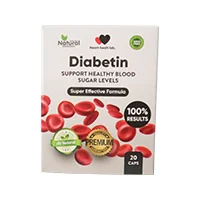 Diabetin | - | - | ₱1,980 | Read review |
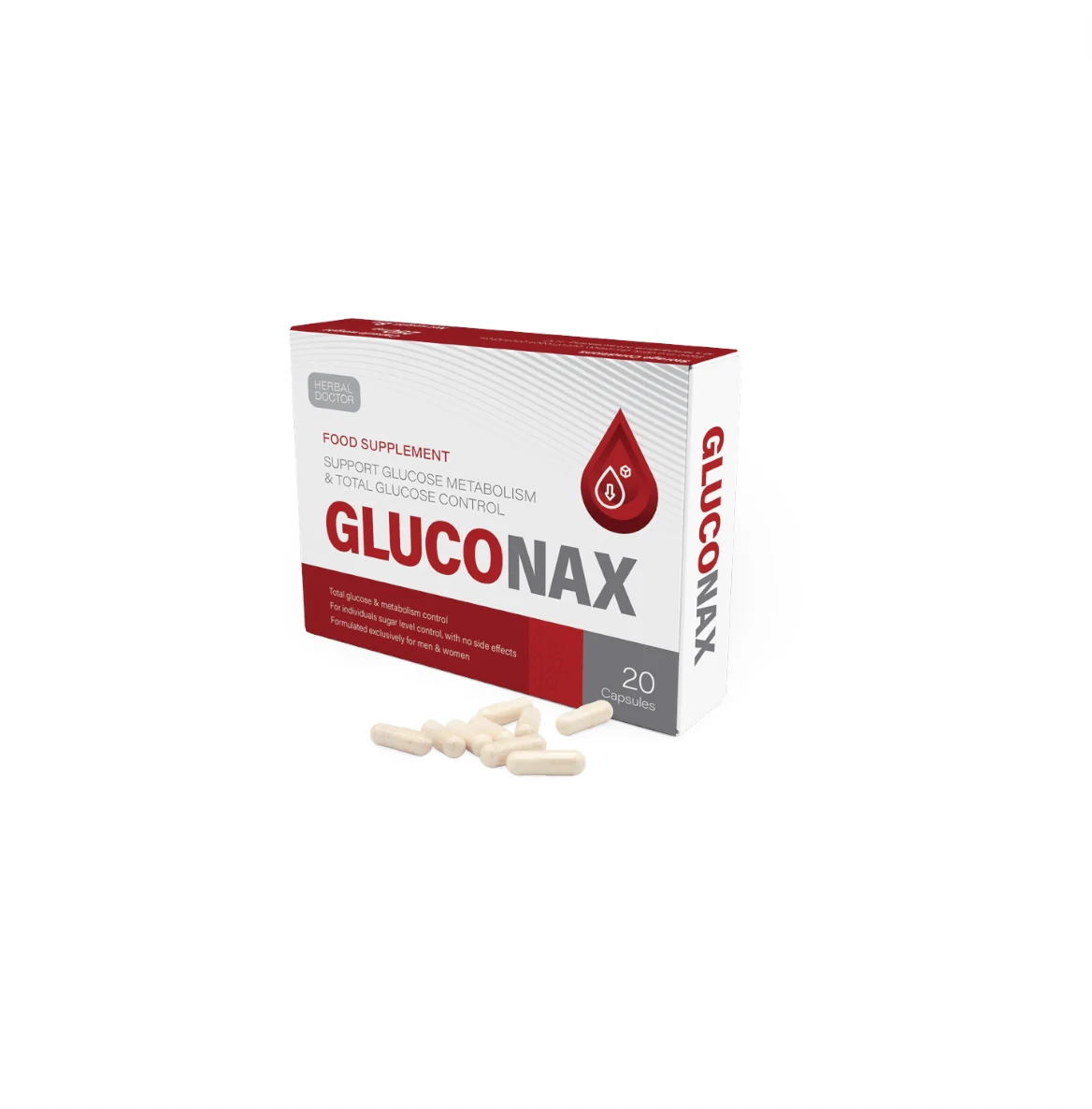 Gluconax | - | - | ₱1,990 | Read review |
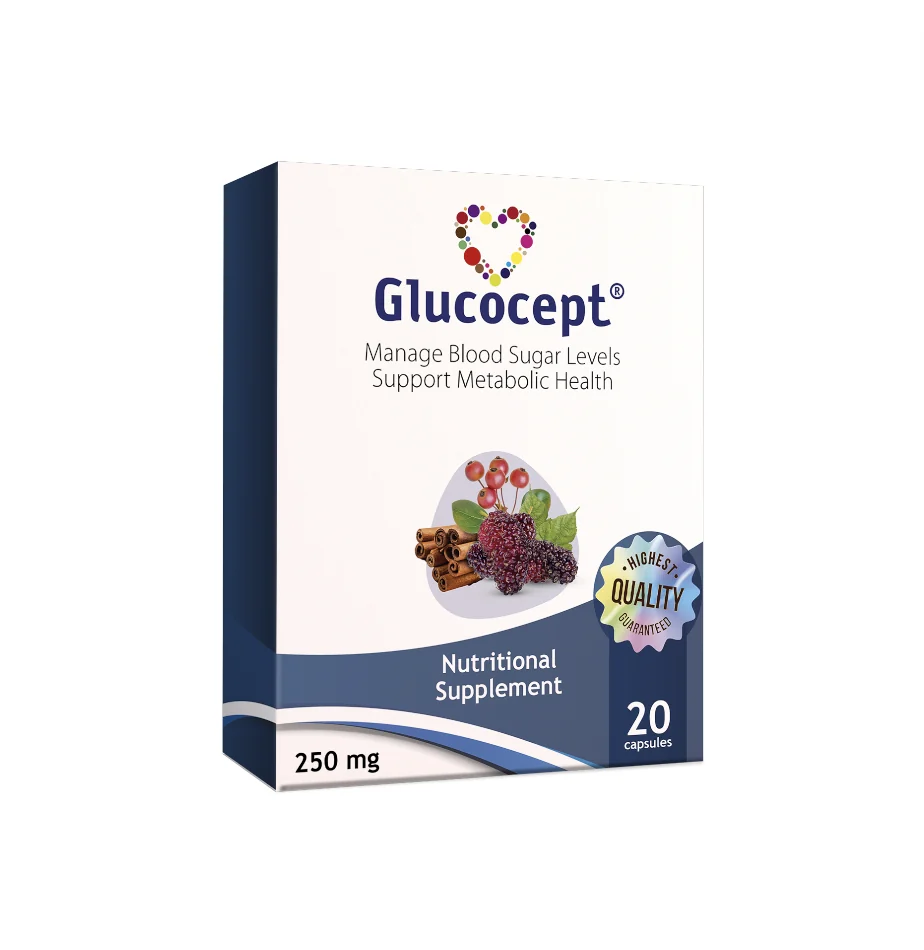 Glucocept | - | - | ₱1,980 | Read review |
 Diabex | - | - | ₱1,980 | Read review |
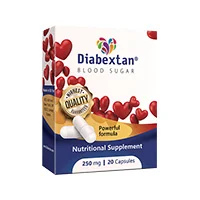 Diabextan | - | - | ₱1,980 | Read review |
Frequently asked questions
Can these supplements replace diabetes medicine?
No. Supplements are not medicines and cannot replace prescribed treatment. Anyone taking glucose-lowering medication should continue it as directed and speak to a doctor before adding a supplement or changing any dose.
Which ingredients are most common in this category?
Plant extracts such as bitter melon, cinnamon and gymnema appear often, along with minerals like chromium and zinc. Some products also include vitamins or alpha-lipoic acid. Evidence differs between ingredients and is generally modest.
How long before a supplement may show an effect?
There is no reliable timeframe, and responses vary between individuals. Manufacturers may suggest a course of use, but results are not guaranteed. Tracking glucose with your doctor is a better way to judge any change.
Are blood sugar supplements safe for everyone?
Not necessarily. Pregnant or breastfeeding women, children, and people with kidney or liver problems or on regular medication should seek medical advice first. Herbal ingredients may interact with drugs and could lower glucose too much.
Where are these products usually sold?
They are typically sold directly by the official distributor, so they are not usually found in pharmacies or on marketplaces. You order through a form, a consultant calls to confirm, and payment is normally made on delivery.
When should I see a doctor instead of trying a supplement?
See a doctor if you notice excessive thirst, frequent urination, unexplained weight loss, blurred vision or slow-healing wounds, or if diabetes runs in your family. A glucose or HbA1c test gives a reliable picture.