Weight loss supplements
Weight loss supplements are products sold in capsule, tablet, powder or drink form that are marketed to people who want help managing their body weight.
- 1All products
- from ₱1,950Price
Frequently searched
Buyer's guide
Weight loss supplements are products sold in capsule, tablet, powder or drink form that are marketed to people who want help managing their body weight. In the Philippines they sit alongside other wellness products and are usually classed as food supplements, not medicines. That distinction matters: they are not assessed as treatments for obesity or any other condition, and they are not a replacement for medical care. Most formulas combine plant extracts, fibre, vitamins or minerals, and some add stimulants such as caffeine. This guide explains how the category works, which ingredients appear most often, what to check on a label and what a realistic outlook looks like. Fit&Sleep is the only product from this category currently reviewed on HerbRate, and it is mentioned here only as an example of the range.
What to look for
- Confirm the label lists every ingredient with the amount per serving.
- Check for a food and drug regulator registration number and verify it.
- Read the stated warnings for pregnancy, medication and existing health conditions.
- Look at the expiry date, batch details and the company's contact information.
- Be wary of promised kilos, fixed timeframes or claims of treating disease.
Key ingredients
- GGlucomannan
A soluble fibre from konjac root that is traditionally used to add bulk in the stomach and may support a feeling of fullness.
- GGreen tea extract
Contains catechins and some caffeine, and is often included in blends that are marketed as supporting normal metabolism, although evidence is mixed.
- LL-carnitine
An amino acid derivative involved in energy processes in the body, commonly added to formulas aimed at active people, with limited evidence for weight effects.
- CChromium
A trace mineral that takes part in normal carbohydrate metabolism and is sometimes added in the hope of supporting appetite control.
- GGarcinia cambogia
A tropical fruit extract containing hydroxycitric acid, promoted for appetite support, though research results are inconsistent and tolerance varies between individuals.
- MMelatonin or relaxing herbal extracts
Included in some night-time formulas because better rest may support healthier daily habits, though they are not weight loss agents themselves.
- 1Most products work through indirect routes.
Some aim to increase feelings of fullness, others claim to support normal metabolism, and a smaller group is built around better rest, since poor sleep is often linked in research with changes in appetite and eating habits. Manufacturers describe these mechanisms in general terms, and the strength of the evidence differs widely between ingredients. For many botanical extracts, studies are small, short or use doses different from those in commercial products. A fair reading is that a supplement may offer modest support alongside diet and activity, not that it can drive weight change on its own. Claims of rapid or effortless results deserve careful reading.
- 2Typical ingredients vary by formula.
Common names include soluble fibres such as glucomannan, green tea extract, green coffee extract, garcinia, L-carnitine, chromium and various vitamins. Some blends also include herbs traditionally associated with relaxation or sleep, such as melatonin or botanical extracts. Each ingredient has its own profile of possible benefits, limits and cautions. Fibre can affect digestion, and caffeine-based extracts may influence heart rate or sleep in sensitive people. The amount per serving matters more than the ingredient list alone, so a label that gives clear quantities is generally easier to evaluate than one that lists only a proprietary blend.
- 3Labels reveal a lot about quality.
Look for a full ingredient list with amounts, a stated serving size, a batch or expiry date, and the name and contact details of the responsible company. Manufacturers should not promise a fixed number of kilos or a timeframe, because individual responses differ. A product that says it can treat obesity or a medical condition is making a claim that supplements are not permitted to make. In the Philippines, checking whether the product carries a registration number from the national food and drug regulator is a sensible step, and the number can be verified with the agency directly.
Frequently asked questions
Do weight loss supplements work on their own?
Evidence suggests that most offer, at best, modest support and do not replace balanced eating and regular activity. Individual responses differ, and some people notice little change. Manufacturers' claims should be read as general descriptions, not guaranteed outcomes.
Are these products medicines?
No. They are sold as food supplements and are not intended to diagnose, treat, cure or prevent any disease. They are not a substitute for medical treatment, especially for obesity or related conditions, which should be assessed by a doctor.
How long should a supplement be taken?
Follow the duration printed on the pack, since no universal period exists. Taking more than the stated serving does not make it work faster and may raise the chance of side effects. A review with a health professional is advisable for long-term use.
What side effects can occur?
Possible effects include stomach discomfort, bloating, changes in bowel habits, jitteriness or poor sleep when caffeine is present. Reactions depend on the ingredients and the person. Stop use and seek advice if symptoms are strong or persistent.
Where can these supplements be bought safely?
Some are sold directly by the official distributor, in which case ordering is done through an online form, a consultant calls to confirm, and payment is usually made on delivery. Listings elsewhere may be copies, so check the seller carefully.
Who should avoid weight loss supplements?
People who are pregnant or breastfeeding, under 18, living with chronic conditions, or taking regular medication should consult a doctor first. Those with a history of eating disorders should also seek professional guidance before trying any weight management product.
Realistic expectations are the most useful tool for any buyer. Sustainable weight management usually rests on eating patterns, physical activity, sleep and stress, and supplements play at most a supporting role. Some people notice little change from a supplement, and that is a normal outcome. It is reasonable to set a modest goal, track habits rather than only the scale, and review after the period recommended on the pack. Where a product is sold directly by its distributor, as Fit&Sleep is, ordering normally happens through an online form, followed by a confirmation call from a consultant, courier delivery and payment in cash on receipt.
Medical advice should come first in several situations. Anyone who is pregnant or breastfeeding, has diabetes, thyroid problems, heart or blood pressure conditions, liver or kidney disease, or takes regular medication should speak to a doctor or pharmacist before using a weight loss supplement. The same applies to people under 18 and to anyone with a history of eating disorders. Rapid unexplained weight change, persistent tiredness or digestive symptoms are reasons to see a doctor regardless of supplements. Stop use and seek advice if palpitations, severe stomach upset, rash or sleeplessness appear after starting a product.
Comparison table
| Product | Form | Key ingredients | Price | |
|---|---|---|---|---|
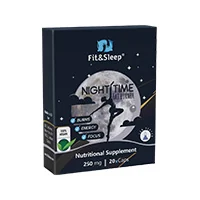 Fit&Sleep | - | Activated charcoal, Coconut milk, L-carnitine | ₱1,950 | Read review |