Supplements for everyday wellbeing
Supplements for everyday wellbeing form a broad category that covers capsules, tablets, powders and drinks taken alongside a normal diet.
- 1All products
- from ₱1,950Price
Frequently searched
Buyer's guide
Supplements for everyday wellbeing form a broad category that covers capsules, tablets, powders and drinks taken alongside a normal diet. They are not medicines, and they are not meant to replace balanced meals, sleep, movement or medical care. Most people in the Philippines come to this category because of busy schedules, changing weather, city air, or a general wish to look after energy, immunity and comfort in daily life. The label on a product usually points to a theme, such as respiratory comfort, stress, or general vitality, and the ingredients are chosen to match that theme. Understanding what a product actually contains is more useful than relying on the headline.
What to look for
- Read the full ingredient list, including allergens and any proprietary blend without stated amounts.
- Compare each stated amount with the daily intake the label recommends.
- Confirm the seller is the official distributor named on the packaging.
- Look for cautious wording on claims, not promises of cure or guaranteed results.
- Check the expiry date, batch details and whether the seal is intact on delivery.
Key ingredients
- VVitamin C
A common antioxidant vitamin that is used to support normal immune function, though evidence for everyday benefit in healthy people is modest.
- ZZinc
A mineral involved in normal immune function and tissue upkeep, usually included in modest amounts because excessive intake may cause discomfort.
- VVitamin D
Used to support bone and muscle health and normal immune function, particularly where sun exposure or dietary intake is low.
- GGinger extract
A traditional root used for digestive comfort and warming blends, with research on its wider effects still limited and varied.
- TTurmeric (curcumin)
A traditional spice extract often included for its antioxidant character, although absorption is low and evidence in daily wellbeing is limited.
- PProbiotic cultures
Live bacteria that may support gut balance in some people, with results depending heavily on the strain and the individual.
- 1Ingredients vary widely by product.
Typical building blocks include vitamins and minerals, plant extracts used in traditional practice, amino acids and sometimes fibre or probiotics. Vitamin C, zinc and vitamin D are common in formulas aimed at general resilience, while herbs such as ginger, turmeric or oregano appear in blends with a traditional focus. The amount of each ingredient matters as much as its presence, and many labels list only a blend without individual quantities. Where a manufacturer does not state amounts, it is fair to treat that as a gap in information rather than a hidden benefit.
- 2Realistic expectations are worth setting early.
Evidence for most everyday supplements is limited or mixed, and effects, where they occur, tend to be modest and differ between people. A product may support a routine, but it cannot promise a specific result or a timeline. Manufacturers often describe benefits in terms of support or comfort, and that wording is a sensible guide to how far a claim can reasonably go. Diet, hydration, sleep and activity usually have a larger influence on how a person feels than any capsule does.
- 3Sourcing and ordering deserve attention too.
Some products in this category, including LungActive, are sold directly by their distributor rather than through pharmacies or online marketplaces. In that case, the usual route is a form on the official page, a call from a consultant to confirm details, and delivery by courier or post, with payment typically in cash on delivery. Listings elsewhere may be copies, so it helps to order from the stated official source and keep the packaging and batch information after delivery.
Frequently asked questions
Are wellbeing supplements the same as medicines?
No. They are intended to complement a normal diet and are not designed to diagnose, treat or prevent illness. Medicines go through different testing and approval. If you have symptoms or a health condition, a doctor is the right first contact.
How long before I notice any effect?
There is no reliable timeframe. Responses differ between people, and some notice nothing at all. Manufacturers usually suggest consistent use over a period, but that is guidance on use, not a guarantee. Judge a product by how you feel and by your doctor's view.
Can I take several supplements together?
It is possible, but overlapping ingredients can add up to more than intended, especially vitamins and minerals such as zinc. Compare labels, avoid doubling up, and ask a pharmacist or doctor if you take regular medication or have a medical condition.
Are herbal ingredients always safe?
Natural does not automatically mean harmless. Herbs can cause allergic reactions or interact with medicines, and they are not advised in every situation, such as pregnancy. Check the label, follow the stated serving and seek advice if you are unsure.
Why are some products not found in pharmacies?
Certain brands are sold directly by their distributor, so they are not stocked in pharmacies or on marketplaces. Orders usually go through an official form, followed by a confirmation call and courier delivery. Similar-looking listings elsewhere may be copies, so verify the source.
When should I see a doctor instead?
See a doctor for persistent cough, breathing difficulty, chest pain, unexplained tiredness or symptoms lasting beyond a couple of weeks. Also speak to one before starting supplements if you are pregnant, have a chronic condition or take prescription medicines.
Safety comes before any purchase. Check the full ingredient list for allergens, and be cautious if you are pregnant, breastfeeding, giving a product to a child, or taking prescription medicines, since herbs and high-dose vitamins can interact with treatment. Start with the serving the label recommends and do not combine several products with overlapping ingredients. Stop use and seek advice if you notice rashes, stomach upset, breathing difficulty or any unusual reaction after taking a supplement.
A supplement is not a substitute for a diagnosis. Persistent cough, shortness of breath, chest pain, unexplained fatigue, ongoing weight change or symptoms that last more than a couple of weeks call for a visit to a doctor, whatever product is on the shelf. People with long-term conditions such as asthma, diabetes, heart or kidney problems should discuss any new supplement with a health professional first. Used sensibly, wellbeing products can sit alongside good habits, but they work best as a small part of a wider routine.
Comparison table
| Product | Form | Key ingredients | Price | |
|---|---|---|---|---|
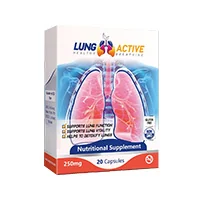 LungActive | capsules | Organic Lungwort (Pulmonaria officinalis), Platycodon, White Mulberry Root Bark | ₱1,950 | Read review |