Supplements for eyes and vision
Eye and vision supplements are dietary products, usually capsules, tablets or drops taken by mouth, that combine vitamins, minerals, plant extracts and carotenoids.
- 3All products
- from ₱1,970Price
Frequently searched
Key ingredients
- LLutein
A carotenoid found in the macula that is commonly included in eye formulas and may support normal visual function as part of the diet.
- ZZeaxanthin
Usually paired with lutein, this pigment is studied for its role in the central retina, although results differ between groups of people.
- BBilberry extract
A berry extract traditionally used for eye comfort and night vision, though evidence from human studies is mixed and limited.
- VVitamin A
An essential nutrient needed for normal vision in low light, which should be taken in moderate amounts and with care during pregnancy.
- ZZinc
A mineral present in eye tissue that contributes to normal vitamin A metabolism, and which should not be taken in large excess.
- OOmega-3 fatty acids
Fats from fish oil or algae that are sometimes added for tear film and general eye support, with evidence that remains inconsistent.
Comparison table
| Product | Form | Key ingredients | Price | |
|---|---|---|---|---|
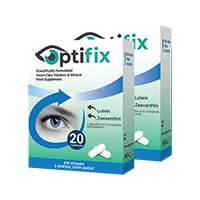 Optifix | - | - | ₱1,970 | Read review |
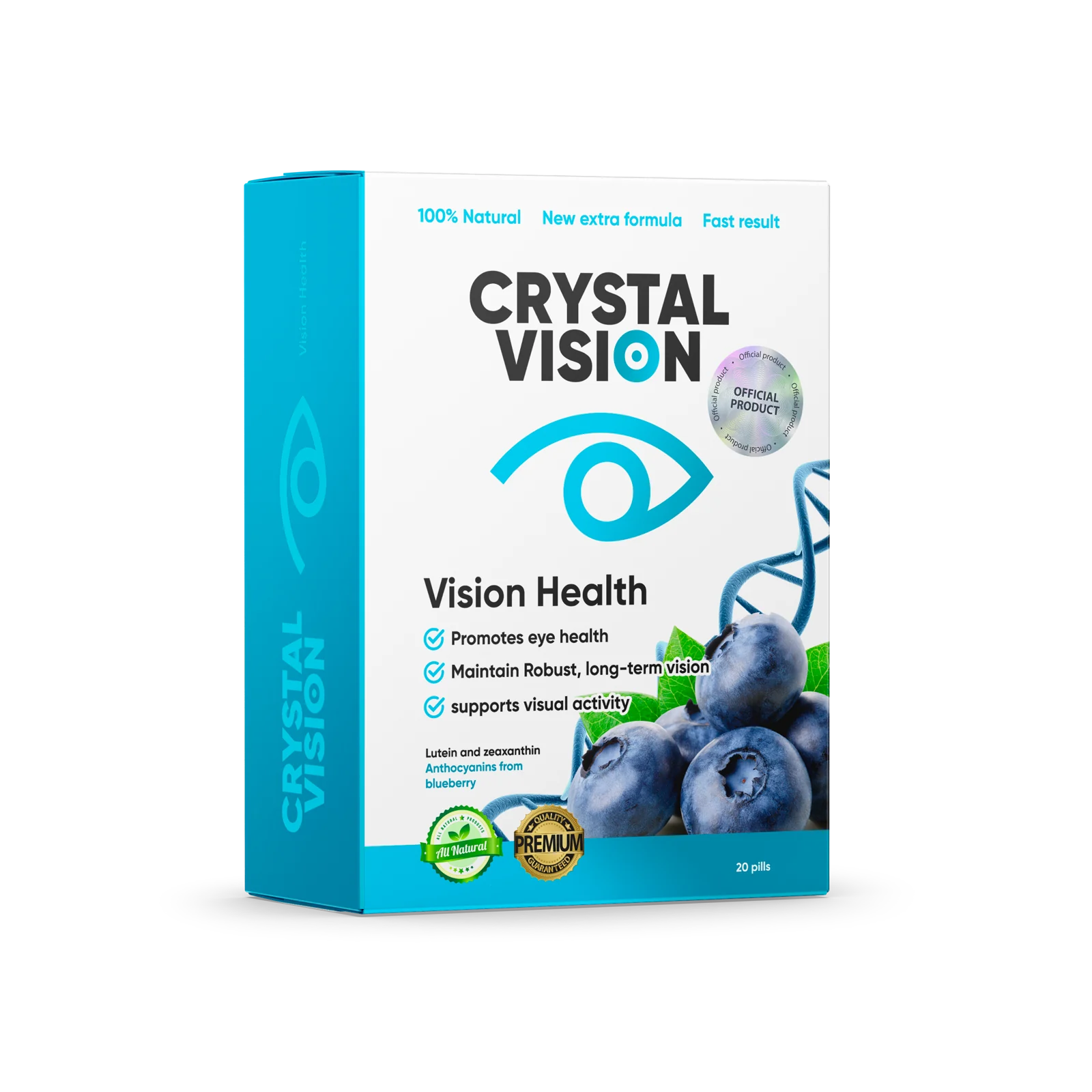 Crystal Vision | - | Lutein and zeaxanthin, Anthocyanins from blueberry, Linseed oil | ₱1,970 | Read review |
 OcurePlus | capsules | Linseed Oil, Zinc, Lutein | ₱1,970 | Read review |
Buyer's guide
Eye and vision supplements are dietary products, usually capsules, tablets or drops taken by mouth, that combine vitamins, minerals, plant extracts and carotenoids. They are marketed to people who spend long hours on screens, who read in dim light, or who want to maintain eye comfort as they get older. In the Philippines, the category includes products such as Optifix, Crystal Vision and OcurePlus, which are sold mainly through direct ordering. A supplement is not a medicine and is not a substitute for glasses, eye drops prescribed by a doctor, or an eye examination. This guide explains the category in general terms so that readers can compare products with realistic expectations.
- 1Typical ingredients are well known.
Most formulas draw on a small group of nutrients that have been studied in connection with eye health. These include lutein and zeaxanthin, which are pigments found in the macula, along with vitamins A, C and E, zinc, and bilberry extract. Some products add omega-3 fatty acids or herbal extracts used in traditional practice. The amounts matter far more than the length of the ingredient list, and many manufacturers do not state exact doses on their pages. Evidence varies by ingredient, and most research concerns specific groups of people rather than the general public, so results from studies cannot simply be assumed for every buyer.
- 2Expectations should stay modest and realistic.
Supplements may support the normal function of the eyes as part of a balanced diet, but they cannot restore sight, correct refractive errors such as nearsightedness, or reverse damage that has already occurred. Any change that people notice, such as less tiredness after screen use, is likely to be gradual and varies from person to person. Manufacturers often describe benefits in broad language, so it helps to read such claims as the company's own position rather than as proven outcomes. Habits like regular breaks from screens, good lighting, sun protection and a varied diet usually matter as much.
- 3Choosing a product calls for careful reading.
Start with the label: check that each ingredient is named, that amounts are given, and that the serving size and number of servings are clear. Look at who the maker is, whether a registration or batch number appears, and whether the distributor gives contact details. Compare the price with the length of the course, since many products need several weeks of daily use. Because these items are sold directly by the distributor, ordering usually happens through a form, followed by a confirmation call and delivery by courier, with payment in cash on arrival.
What to look for
- Confirm every active ingredient is named with its amount per serving.
- Check the manufacturer details, batch number and expiry date on the packaging.
- Compare the total price with the number of days the pack lasts.
- Read warnings on pregnancy, allergies and interactions with regular medicines.
- Be wary of wording that promises cures or guaranteed improvement of eyesight.
Safety deserves attention before any purchase. Vitamin A in high amounts is not suitable during pregnancy, and zinc taken in excess may cause stomach upset or interfere with other minerals. People who take blood thinners, medicines for diabetes or other regular prescriptions should ask a doctor or pharmacist before adding herbal extracts such as bilberry. Allergies to plant ingredients or capsule components are another reason to read the full list. Children, pregnant or breastfeeding women and people with chronic conditions should not begin a supplement without professional advice.
Some symptoms should never be handled with supplements alone. Sudden loss of vision, flashes of light, new floaters, eye pain, redness that does not settle, double vision or a dark curtain across the visual field need urgent medical attention. Gradual blurring, difficulty seeing at night or frequent headaches after reading also deserve an eye examination. People with diabetes, high blood pressure or a family history of glaucoma are generally advised to have regular check-ups. An optometrist or ophthalmologist can identify the cause and say whether a supplement has any place in the plan.
Frequently asked questions
Can eye supplements improve my eyesight?
They are not intended to correct refractive problems such as nearsightedness or astigmatism. Some nutrients may support normal eye function, but effects are modest and vary. Glasses, lenses or medical treatment remain the proper options when the eye examination shows a need.
How long does it take to notice any effect?
No reliable timeframe exists, and manufacturers differ in what they suggest. Nutrients usually act slowly if they act at all, and some people notice nothing. Judge a product over the full recommended course and keep up regular eye check-ups.
Are these supplements suitable for people who use screens all day?
Many products are marketed to screen users, mainly for eye comfort. Evidence for this specific use is limited. Regular breaks, adequate lighting, blinking and correct screen distance are practical measures that can be combined with a supplement if desired.
Can I take an eye supplement with my regular medicines?
It depends on the ingredients and the medicines. Herbal extracts and high-dose vitamins can interact with blood thinners or diabetes treatment. Show the label to a doctor or pharmacist before starting, especially if you take prescription drugs every day.
Why are these products not in the pharmacy?
Some brands in this category, including those reviewed here, are sold directly by their distributor instead of through shops. You order via a form, receive a confirmation call and usually pay the courier. Check that the seller is the official one, since similar-looking items may be copies.
When should I see an eye doctor instead of buying a supplement?
See a doctor promptly for sudden vision loss, eye pain, flashes, new floaters or persistent redness. Gradual blurring, poor night vision or frequent headaches also need an examination. A supplement should never delay a diagnosis.