Supplements for joints and back
Supplements for joints and back form a broad category of capsules, tablets, powders, creams and gels that people in the Philippines use alongside a normal diet and an active routine.
- 4All products
- from ₱1,950Price
Frequently searched
Buyer's guide
Supplements for joints and back form a broad category of capsules, tablets, powders, creams and gels that people in the Philippines use alongside a normal diet and an active routine. They are food products, not medicines, and they are not meant to diagnose or treat any condition. Typical buyers include people who are physically active, those who spend long hours at a desk or on their feet, and adults who notice stiffness as they get older. This guide explains what the category covers, which ingredients appear most often, and how to approach a purchase with realistic expectations. Products such as CollagenAX, Fungonal, MuscleArt and Dr.Flex are reviewed on HerbRate, but this page looks at the category as a whole.
- 01What these products are.
Most are formulations built around nutrients that make up or surround connective tissue, such as cartilage components, collagen peptides, vitamins and minerals. Some are plant-based and rely on extracts traditionally used for comfort in movement. Others are topical products applied to the skin over the back or joints. The manufacturer usually describes them as supporting mobility or comfort, and that wording matters, because a supplement may support general well-being but is not a substitute for medical care. Formats differ in dose, number of servings and how long a pack lasts, so comparing labels is more useful than comparing slogans.
- 02Ingredients vary widely.
Two products in the same category can have very little in common, since one may focus on collagen while another relies on herbal extracts or a topical blend. Evidence also differs by ingredient: some have been studied in small human trials with mixed outcomes, while others are valued mainly through tradition. Amounts are often the deciding factor, and some manufacturers do not state them clearly. A short, transparent label that lists each component and its quantity is generally easier to assess than a long list of names without figures.
- 03Expectations should stay modest.
Supplements work gradually, if at all, and individual responses differ with age, body weight, activity level, diet and the cause of discomfort. No manufacturer can promise a specific result or timeframe, and readers should be cautious about any product that does. Supplements are best seen as one part of a wider routine that includes movement, posture, sensible lifting habits, sleep and a balanced diet. Keeping a simple note of how you feel over several weeks can help you judge whether a product is worth continuing.
Key ingredients
- CCollagen peptides
Often included as a protein building block of connective tissue, and may support joint comfort in some people, though evidence is mixed.
- GGlucosamine
A cartilage-related compound frequently used in joint formulas, with research results that vary and are generally described as modest.
- CChondroitin sulfate
Commonly paired with glucosamine and used with the aim of supporting cartilage structure, although studies show inconsistent findings.
- TTurmeric (curcumin)
A plant extract traditionally used for comfort in movement, with some research interest, though absorption and results differ between products.
- VVitamin C
Contributes to normal collagen formation and also acts as an antioxidant, which is why it appears in many joint supplements.
- MMethylsulfonylmethane (MSM)
A sulfur compound included in some formulas for general joint and muscle comfort, with limited and mixed evidence.
Buying in the Philippines needs some care. Several joint and back products are sold directly by the official distributor rather than through pharmacies, so the usual route is an order form, followed by a call from a consultant who confirms details, then courier or postal delivery with payment usually in cash on delivery. Because listings elsewhere may be copies, ordering through the official channel is the safer way to receive the genuine product. Read the composition, usage directions and warnings before accepting the parcel.
Know when a supplement is not enough. Persistent or worsening pain, swelling, redness, numbness, tingling, weakness in the legs, pain after an injury, or discomfort that wakes you at night should be assessed by a doctor rather than managed with supplements. People who are pregnant, breastfeeding, taking blood thinners or other regular medication, or living with a chronic illness should ask a healthcare professional before starting anything new. Allergies to shellfish, for example, can matter with some cartilage-derived ingredients, so check the label carefully.
What to look for
- Check that every ingredient is listed with its amount per serving.
- Confirm the recommended daily dose and how many days one pack lasts.
- Read warnings for allergens such as shellfish, and for use with medication.
- Order through the official distributor to reduce the risk of receiving a copy.
- Compare the full price with the pack size, not only the headline figure.
Comparison table
| Product | Form | Key ingredients | Price | |
|---|---|---|---|---|
 CollagenAX | - | - | ₱1,970 | Read review |
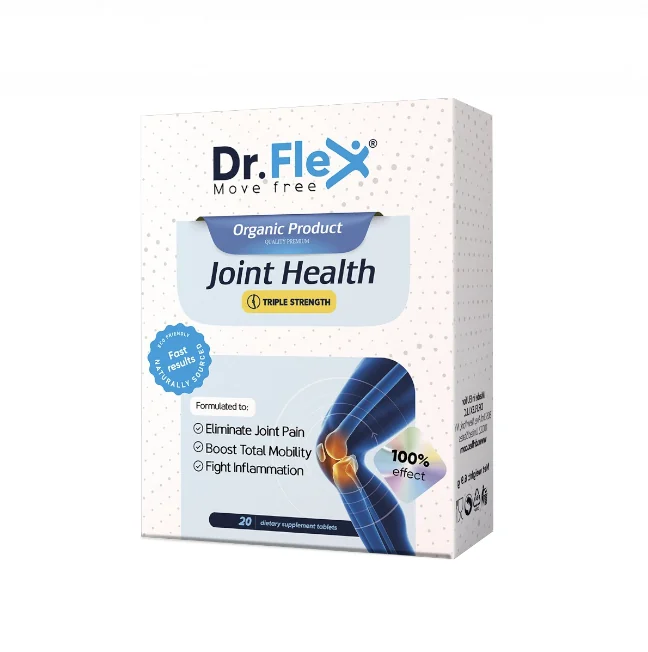 Dr.Flex | - | Eggshell Membrane, Collagen Type 2 & Collagen Peptide, Turmeric Root | ₱1,970 | Read review |
 Fungonal | cream | - | ₱1,970 | Read review |
 MuscleArt | - | Barrenwort extract, Maca Root Powder, Ashwagandha Root Extract | ₱1,950 | Read review |
Frequently asked questions
Are joint and back supplements medicines?
No. They are dietary supplements or wellness products and are not intended to diagnose, treat or cure any condition. Manufacturers may describe supportive roles, but a supplement cannot replace medical assessment, prescribed treatment or physiotherapy when these are needed.
How long does it take to notice any effect?
There is no reliable timeframe. Some people try a product for several weeks before judging it, and many notice nothing at all. Responses depend on the ingredient, dose, lifestyle and the cause of discomfort, so promises of fast results deserve caution.
Can I take them together with prescription medication?
Not without advice. Some ingredients may interact with blood thinners, diabetes medicines or other drugs. If you take regular medication, are pregnant or breastfeeding, speak to a doctor or pharmacist before starting any joint or back supplement.
Are creams and gels different from capsules?
Yes. Topical products are applied to the skin over a specific area and are meant for local comfort, while capsules and powders are swallowed and act through general nutrition. Skin sensitivity is the main concern with topicals, so a small patch test is sensible.
Why are many of these products not in pharmacies?
Some are sold directly by the official distributor, so they are ordered through a form and confirmed by phone, with delivery by courier or post. This is a sales arrangement, not a quality mark, so it is still worth reading the label and directions.
When should I see a doctor instead of trying a supplement?
See a doctor for pain after an injury, swelling, redness, fever, numbness, leg weakness, or discomfort that is severe, persistent or getting worse. These signs need proper evaluation, and a supplement should not delay it.