Supplements for hearing
Hearing supplements are a small corner of the wellness market in the Philippines.
- 1All products
- from ₱1,950Price
Frequently searched
Buyer's guide
Hearing supplements are a small corner of the wellness market in the Philippines. They are sold as capsules, tablets or drops that are meant to be taken alongside a normal diet, and they usually combine vitamins, minerals and plant extracts. Their stated aim is to support the general health of the ears and the nerves and blood vessels around them. They are not hearing aids, and they are not medicines. A supplement cannot restore lost hearing or replace a medical assessment, and this guide treats the category with that limit in mind. Aurifix is one product reviewed here, but the points below apply to the whole group.
What to look for
- Confirm every ingredient is named with its amount per serving on the label.
- Check the recommended daily dose and the stated maximum, and never exceed it.
- Read warnings on pregnancy, medication interactions and age limits before starting.
- Order only through the official distributor page to avoid copies of the product.
- Be cautious of wording that promises cures, restored hearing or fixed results.
Key ingredients
- GGinkgo biloba extract
A plant extract traditionally used to support circulation; evidence for any effect on hearing is limited and it may interact with blood-thinning medicines.
- VVitamin B12
Involved in normal nerve function and blood cell formation, so it is sometimes included to support general nerve health rather than hearing specifically.
- FFolic acid (vitamin B9)
Often paired with other B vitamins to support normal cell function, though its direct role in hearing is still uncertain.
- MMagnesium
A mineral that supports normal nerve and muscle function and is studied in relation to noise exposure, with findings that remain inconclusive.
- ZZinc
A trace mineral that contributes to normal immune function and cell protection, sometimes added to ear-focused formulas in modest amounts.
- AAlpha-lipoic acid
An antioxidant compound used in some blends to support the body's defence against oxidative stress, with limited evidence in hearing.
- 1Ears depend on more than the ear canal.
Sound is picked up by delicate hair cells in the inner ear and carried to the brain by the auditory nerve, and both rely on steady blood flow and a supply of nutrients. Manufacturers of these products build their case on that idea, suggesting that vitamins, minerals and antioxidants may support the tissues involved. Research on nutrition and hearing exists, but results are mixed and often come from specific groups of people. Evidence for over-the-counter blends as a whole is limited, so any benefit should be viewed as possible rather than assured.
- 2Ingredient lists vary widely.
Most formulas draw on a familiar set: B vitamins, magnesium, zinc, ginkgo biloba and sometimes lipoic acid or other antioxidants. Some add herbal extracts with a traditional reputation for circulation. What matters is whether the label names each component, gives the amount per serving and states the daily dose. Products that list only a vague herbal blend make comparison difficult. Where a manufacturer does not publish amounts, that is simply a gap in information, and it is reasonable to treat such a product with extra care before choosing it.
- 3Expectations should stay modest.
Hearing changes with age, noise exposure, ear infections, wax build-up, medication and many other causes, and a supplement addresses none of these directly. Some people take them hoping to feel more comfortable with everyday listening, and the manufacturer may describe that kind of aim, but individual responses differ and no timeframe can be promised. Protective habits usually matter more, such as limiting loud noise, using ear protection, keeping up with a balanced diet and staying active. A supplement, if used at all, is an extra step rather than a main one.
Frequently asked questions
Can supplements restore hearing?
No supplement can be expected to restore hearing. Some ingredients may support general ear and nerve health, but evidence is limited and results vary. Hearing loss has many causes, so a medical assessment is the sound starting point before using any product.
Are hearing supplements the same as medicines?
No. They are food supplements, not medicines, and are not intended to diagnose, treat or prevent any condition. They are not assessed as treatments, so they should never replace a hearing test, a doctor's advice or prescribed care.
How long do they take to work?
No reliable timeframe exists. Manufacturers may suggest taking a product for a period, but responses differ and some people notice nothing. It is more realistic to treat any supplement as a short personal trial and to keep monitoring your hearing through a doctor.
Who should be careful before taking them?
Pregnant or breastfeeding women, children, people with chronic conditions and those on regular medicines should consult a doctor first. Ginkgo and some minerals can interact with other drugs, so sharing the full ingredient list with a professional is sensible.
When should I see a doctor instead?
See a doctor promptly for sudden hearing loss, ringing in one ear, dizziness, ear pain, discharge or a marked difference between ears. These signs can have causes that need quick treatment, and a supplement should never delay getting an examination.
How are these products usually bought?
Many are sold directly by the distributor rather than in pharmacies. You typically fill in the order form, a consultant calls to confirm, and the courier delivers, with payment usually in cash. Listings elsewhere may be copies, so check the source.
Medical advice comes first when symptoms appear. Sudden hearing loss, ringing in one ear, dizziness, ear pain, discharge or a clear difference between the two ears should be checked by a doctor promptly, ideally an ENT specialist, because some causes need quick treatment. The same applies to children, pregnant or breastfeeding women, and people on regular medication, since ginkgo and certain minerals can interact with other drugs. A hearing test gives a baseline and helps show whether anything is changing. Supplements should never delay that step.
Buying habits also matter. Products in this category are often sold directly by the distributor rather than through pharmacies, so it helps to order only through the official page, where a consultant calls to confirm the details and payment is usually made in cash on delivery. Look-alike listings elsewhere may be copies. Read the full label, note the serving size and any warnings, and keep the packaging. Treat the purchase as a trial of a food supplement, stop if something disagrees with you, and speak to a pharmacist or doctor if unsure.
Comparison table
| Product | Form | Key ingredients | Price | |
|---|---|---|---|---|
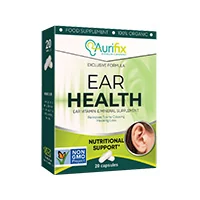 Aurifix | capsules | Maltodextrin, B group vitamins, Complex of 39 herbal extracts | ₱1,950 | Read review |