Supplements for the bladder and women's health
Supplements for the bladder and women's health form a broad category of capsules, powders and drinks intended to support the urinary tract and general intimate wellbeing.
- 2All products
- from ₱1,990Price
Frequently searched
Key ingredients
- CCranberry extract
Traditionally used to support urinary tract comfort, though research findings are mixed and individual responses differ considerably.
- DD-mannose
A simple sugar that is studied for its possible role in limiting bacterial adhesion in the urinary tract, with evidence still limited.
- UUva ursi (bearberry leaf)
A herb traditionally used for urinary wellbeing, but it is not suitable for everyone and is generally not meant for long use.
- CCorn silk
A traditional herbal ingredient used to support normal urine flow and a sense of urinary comfort, with modest scientific evidence.
- VVitamin C
A common supporting nutrient that contributes to general immune function and is often added to urinary and women's health formulas.
- PProbiotic cultures
Selected strains such as lactobacilli are used in some formulas to support a balanced intimate flora, with results depending on the strain.
Comparison table
| Product | Form | Key ingredients | Price | |
|---|---|---|---|---|
 Haciba | - | Cranberry fruit extract, D-Mannose, Bearberry leaves | ₱1,990 | Read review |
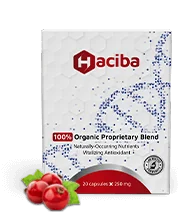 Haciba Cystitis | - | Cranberry fruit extract, D-Mannose, Bearberry leaves | ₱1,990 | Read review |
Buyer's guide
Supplements for the bladder and women's health form a broad category of capsules, powders and drinks intended to support the urinary tract and general intimate wellbeing. They are sold as dietary supplements, not medicines, so they are not meant to diagnose, treat or cure any condition. In the Philippines, shoppers will find options such as Haciba and Haciba Cystitis alongside imported products and herbal preparations. The category appeals to women who want to look after their comfort and routine habits, particularly when urinary discomfort or irregular hydration has been a recurring concern. Understanding what these products can and cannot do is the first step toward a sensible purchase.
- 1Most products rely on plant extracts.
Typical formulas combine cranberry, D-mannose, herbal diuretics such as corn silk or uva ursi, and sometimes vitamins. Cranberry and D-mannose are the most discussed, because laboratory and small clinical work suggests they may affect how certain bacteria adhere to the urinary lining, although evidence is mixed and results vary between individuals. Herbal ingredients are traditionally used to support urine flow and comfort. Manufacturers usually describe their blends in general terms, and amounts per serving are not always stated, which makes direct comparison between products difficult for ordinary shoppers.
- 2Realistic expectations matter more than promises.
A supplement may support a healthy routine, but it does not replace antibiotics, medical examination or good hygiene. Effects, where they occur, tend to be gradual and differ from person to person, and no timeframe can be guaranteed. Manufacturer descriptions often speak of comfort and balance, which is a cautious way of framing benefits. Readers should treat such wording as the maker's own claim rather than established fact, and consider supplements as an optional addition alongside fluids, balanced eating and regular check-ups when needed.
- 3Medical advice should come first in some situations.
Burning during urination, frequent urgent trips to the toilet, blood in the urine, fever, back or flank pain, unusual discharge or symptoms during pregnancy all call for a consultation with a doctor rather than self-treatment. The same applies to recurring episodes, to children and to people with kidney conditions or diabetes. Anyone taking prescription drugs, especially blood thinners or diuretics, should check with a health professional first, because some herbal ingredients may interact with medication or be unsuitable in certain circumstances.
What to look for
- Confirm the full ingredient list and the amount of each active ingredient per serving.
- Check the expiry date, batch information and whether the packaging is sealed.
- Read warnings on pregnancy, breastfeeding, allergies and interactions with prescription medicines.
- Compare the stated price with the pack size and the number of daily servings.
- Confirm the seller, delivery terms and payment method by phone before accepting the parcel.
Buying carefully is part of the process. Products such as Haciba are described as sold directly by the official distributor, which means they are usually not stocked in pharmacies or on online marketplaces, and listings elsewhere may be imitations. Ordering normally goes through a form on the product page, after which a consultant calls to confirm the details. Delivery is by courier or post, and payment is usually made in cash when the parcel arrives. Checking the price shown on the page and confirming the order details by phone helps avoid misunderstandings.
Reading labels is the most reliable habit. Look for a full ingredient list, the serving size, the number of servings in a pack, the expiry date and clear usage directions. Note any allergens and any warnings about pregnancy, breastfeeding or medication. Be cautious about wording that promises fast or guaranteed results, since a supplement cannot offer that. Comparing two or three products on composition and transparency, rather than on slogans, gives a fairer picture. If the information is incomplete, a polite question to the seller or a doctor is a reasonable step before ordering.
Frequently asked questions
Can a supplement treat a urinary tract infection?
No. Supplements are not medicines and cannot treat an infection. Some ingredients may support urinary comfort as part of a routine, but symptoms such as burning, fever or blood in the urine need a doctor's assessment and, often, prescribed treatment.
How long does it take to notice any effect?
There is no reliable timeframe. Responses vary between people, and some notice nothing at all. Manufacturers usually suggest following the directions for a set period, but results cannot be guaranteed, and persistent symptoms should be discussed with a doctor.
Are these supplements safe during pregnancy?
Not necessarily. Some herbal ingredients are not recommended in pregnancy or breastfeeding, and safety data are often limited. It is wise to ask a doctor or midwife before using any product in this category during these periods.
Can I take them with prescription medicines?
It depends on the ingredients. Certain herbs may interact with diuretics, blood thinners or other drugs. Show the label to a doctor or pharmacist before combining a supplement with regular medication, especially if you have kidney problems.
Why are these products not sold in pharmacies?
Some, including Haciba and Haciba Cystitis, are distributed directly by the official seller, so they are usually ordered through the product page instead of from shelves. This is a sales arrangement, not a sign of quality either way.
Does drinking more water matter as much as a supplement?
Adequate fluid intake is a basic habit that supports normal urinary function, and a supplement does not replace it. Good hygiene, not holding urine for long periods and balanced eating are also commonly recommended alongside any product.