Supplements for blood pressure and heart
Supplements marketed for blood pressure and heart health form a broad category that includes capsules, tablets, and drops combining vitamins, minerals, plant extracts, and other nutrients.
- 3All products
- from ₱1,950Price
Frequently searched
Key ingredients
- MMagnesium
A mineral involved in normal muscle and nerve function, including the heart, and commonly included in formulas aimed at general cardiovascular support.
- PPotassium
An electrolyte that contributes to normal fluid balance and muscle function, so it often appears in heart-oriented products, though intake should be discussed with a doctor.
- CCoenzyme Q10
A compound present in body cells and involved in energy production, often added to supplements that aim to support general heart wellbeing.
- OOmega-3 fatty acids
Fatty acids from fish or algae that are widely studied for heart health, with benefits depending on dose, diet, and individual circumstances.
- HHawthorn extract
A plant traditionally used in herbal practice for circulatory comfort, although clinical evidence is limited and results in studies have been mixed.
- GGarlic extract
Traditionally used for cardiovascular wellbeing, with research showing varied findings, so it is best viewed as a possible supportive ingredient only.
Comparison table
| Product | Form | Key ingredients | Price | |
|---|---|---|---|---|
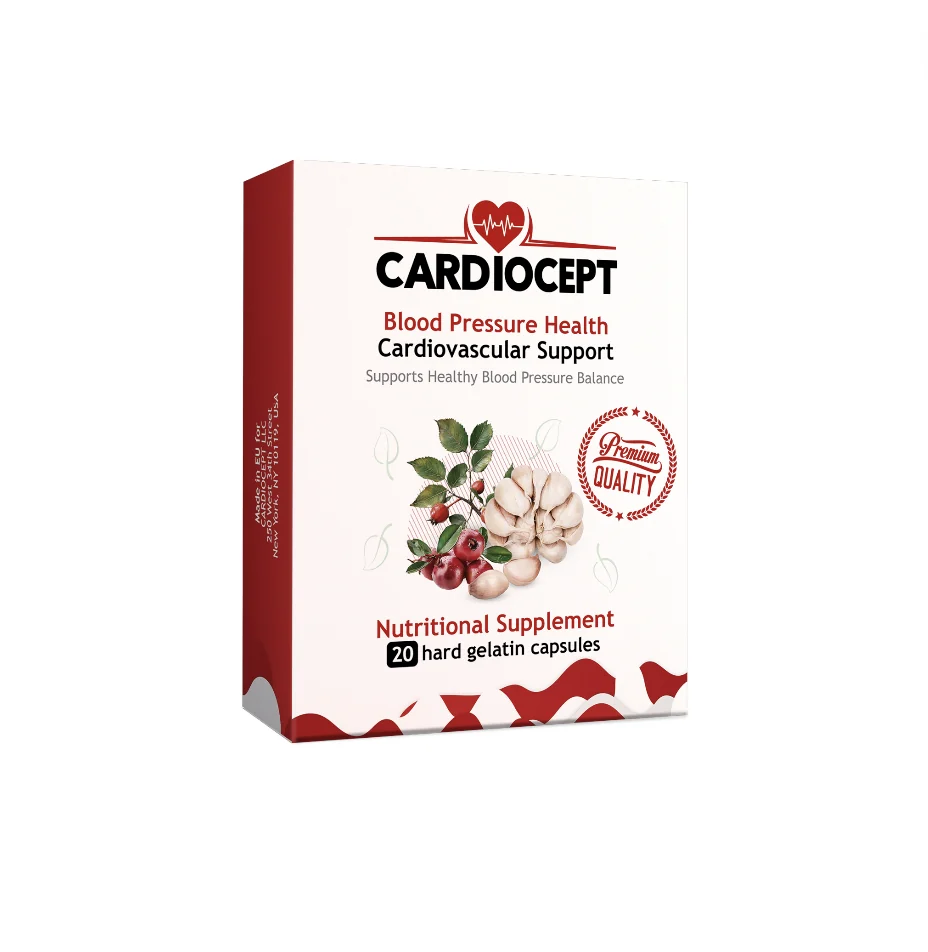 Cardiocept | - | - | ₱1,950 | Read review |
 Vascolex | - | Unique plant extracts, Vitamins, Antioxidants | ₱1,950 | Read review |
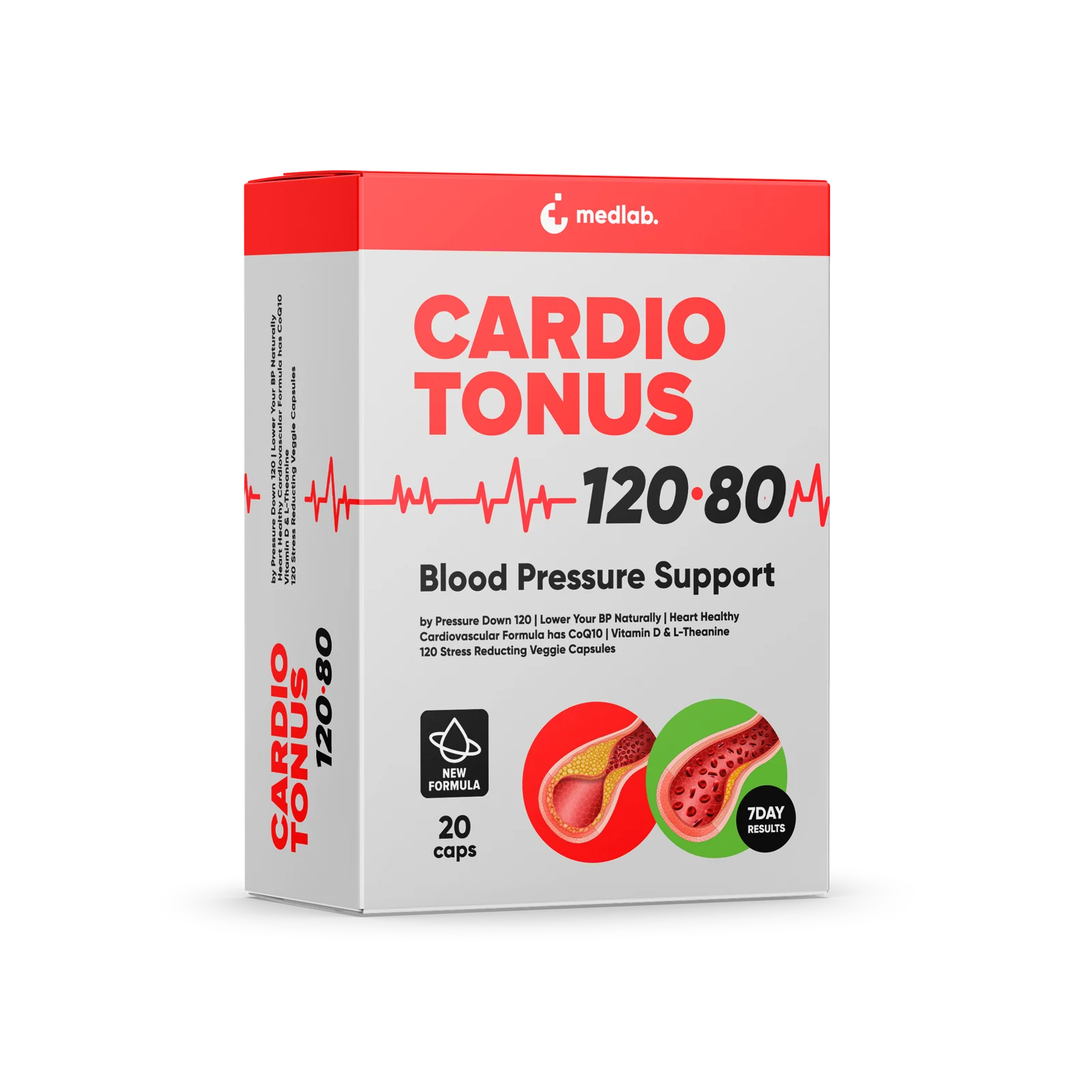 Cardio Tonus | - | - | ₱1,950 | Read review |
Buyer's guide
Supplements marketed for blood pressure and heart health form a broad category that includes capsules, tablets, and drops combining vitamins, minerals, plant extracts, and other nutrients. They are sold as dietary supplements, not medicines, so they are not intended to diagnose, treat, or cure hypertension or any heart condition. In the Philippines, where high blood pressure is a widespread concern among adults, interest in this category is understandable. This guide explains what such products are, which ingredients appear most often, and how to approach them with realistic expectations. Vascolex, Cardiocept, and Cardio Tonus are among the products reviewed on HerbRate in this area, and they are mentioned here only as examples of the category.
- 1Supplements are not a substitute for treatment.
A product in this category is meant to complement a balanced diet and a healthy routine, not to replace prescribed medication or regular check-ups. Manufacturers often describe their formulas as supporting normal circulation, vascular tone, or general cardiovascular wellbeing, but these statements are claims by the producer and not proof of an individual outcome. Evidence for specific ingredients varies: some minerals and nutrients have a reasonable research base for general heart function, while many plant extracts have only limited or mixed data. Treat any promise of dramatic results with caution, and rely on a doctor for decisions about blood pressure.
- 2Typical ingredients fall into a few groups.
Minerals such as magnesium and potassium take part in normal muscle and nerve function, including the heart muscle. Coenzyme Q10 and omega-3 fatty acids are frequently included for general heart support. Plant extracts such as hawthorn, garlic, olive leaf, and hibiscus are traditionally used in many cultures for circulatory wellbeing. Amounts differ widely between products, and some manufacturers list only a blend without exact quantities. Reading the full composition helps you see whether a formula contains well-known nutrients or mostly proprietary mixtures that are hard to compare.
- 3Quality and transparency matter more than slogans.
Look for a clear ingredient list with stated amounts, a visible batch or expiry date, and plain information about the producer and distributor. Be wary of labels that use words like cure, eliminate, or guaranteed, since a supplement cannot legitimately promise these. Many products in this category are sold directly by the official distributor rather than through pharmacies, which means you usually order through a form and confirm by phone with a consultant. Listings on marketplaces may be copies, so buying from the official channel reduces the risk of receiving an unverified product.
What to look for
- Check that the label lists every ingredient with its amount per serving.
- Look for the batch number and expiry date on the packaging.
- Avoid products promising to cure or eliminate hypertension or heart disease.
- Compare the ingredients with your current medicines and ask a doctor about interactions.
- Confirm the price and the official distributor before placing an order.
Expectations should stay modest and individual. Supplements work, if at all, slowly and alongside lifestyle factors such as salt intake, physical activity, body weight, sleep, smoking, and stress. No timeframe or result can be promised, and responses differ from person to person. People who monitor their blood pressure at home may keep a simple log to share with their doctor, which is more informative than relying on how they feel. A supplement should never be the reason to stop or change a prescribed treatment, and any change in routine is best discussed with a healthcare professional first.
Certain situations call for medical advice before and during use. Anyone with diagnosed hypertension, heart rhythm problems, kidney disease, or who takes blood thinners, blood pressure medication, or diuretics should consult a doctor, because some ingredients can interact with these drugs. Pregnant or breastfeeding women and older adults should also seek advice first. Symptoms such as chest pain, shortness of breath, sudden severe headache, fainting, or persistent very high readings need urgent medical attention and not a supplement. Regular screening is useful even when you feel well, since high blood pressure often causes no obvious signs.
Frequently asked questions
Can supplements replace blood pressure medication?
No. Dietary supplements are not medicines and are not intended to treat hypertension. Anyone prescribed medication should continue it as directed and speak with a doctor before adding a supplement or changing any part of their treatment plan.
How long does it take to notice any effect?
There is no reliable timeframe. Supplements act gradually, if at all, and responses vary between people. Manufacturers may suggest a course of use, but results cannot be guaranteed, so regular blood pressure checks are more useful than guessing.
Are herbal ingredients safer than synthetic ones?
Not necessarily. Plant extracts can still affect the body and may interact with medicines such as blood thinners or antihypertensives. Safety depends on the dose, the quality of the product, and your own health situation.
Who should be careful with these products?
People with heart disease, kidney problems, low blood pressure, or those taking regular medication should ask a doctor first. Pregnant and breastfeeding women, and anyone with allergies to plant ingredients, should also seek advice before use.
Why are these products often not in pharmacies?
Some are sold directly by the official distributor instead of through retail shops. Orders are usually placed through a form, confirmed by phone, and delivered by courier or post, with payment commonly made in cash on delivery.
When should I see a doctor instead of using a supplement?
See a doctor for chest pain, breathlessness, fainting, severe headaches, or repeatedly high readings. These signs need medical assessment. Routine check-ups are also sensible, because high blood pressure can be present without noticeable symptoms.