Supplements for blood pressure and heart
Supplements marketed for blood pressure and heart health are products sold as capsules, tablets, drops or powders that combine vitamins, minerals, amino acids and plant extracts.
- 1All products
- from Ksh6,750Price
Frequently searched
Buyer's guide
Supplements marketed for blood pressure and heart health are products sold as capsules, tablets, drops or powders that combine vitamins, minerals, amino acids and plant extracts. In Kenya they are sold alongside everyday wellness products, and they are classed as dietary supplements, not medicines. That distinction matters: a supplement is not designed to diagnose, treat or cure high blood pressure or any heart condition. At best, according to manufacturers, certain formulas may support normal circulation or general cardiovascular wellbeing when paired with a sensible diet, regular movement and medical follow-up. This guide explains the category in general terms, so readers can judge any product, including Normatone, with clearer expectations.
- 01Ingredients vary widely between products.
Many formulas draw on minerals such as magnesium and potassium, which play a role in normal muscle and nerve function, including the heart muscle. Others include plant extracts like hawthorn, garlic or olive leaf, which are traditionally used in various food cultures for circulation. Some add coenzyme Q10, omega-3 fatty acids or B vitamins. Evidence for each ingredient differs, and results from studies on single ingredients do not automatically apply to a blend. Doses also matter, and some manufacturers list only the ingredient names without amounts, which makes comparison harder.
- 02Realistic expectations are essential.
Supplements are not a substitute for prescribed treatment, and no product should be presented as a way to replace blood pressure tablets. Any effect, where it occurs, tends to be modest and varies from person to person, so no result or timeframe can be promised. Lifestyle factors usually carry far more weight: reducing salt, staying active, keeping a healthy weight, limiting alcohol, avoiding tobacco and managing stress. Readers who already take medicines for hypertension should treat a supplement only as a possible addition, and only after discussing it with a health professional.
- 03Safety deserves attention before any purchase.
Some ingredients can interact with common medicines, including blood pressure drugs, blood thinners and diuretics. Potassium-rich products may be unsuitable for people with kidney problems, and certain herbs can affect how the body handles other medication. Pregnant or breastfeeding women, older adults and people with chronic illness should seek advice first. Checking a home blood pressure reading regularly, with a validated monitor, helps in keeping track of changes honestly, rather than relying on how one feels.
Key ingredients
- MMagnesium
A mineral involved in normal muscle and nerve function, sometimes included in heart-oriented formulas, though evidence on its effect on blood pressure is mixed.
- PPotassium
An electrolyte that contributes to normal heart muscle function, used in some blends, but unsuitable for people with kidney problems without medical advice.
- HHawthorn extract
A plant traditionally used in herbal practice to support circulation and heart wellbeing, although evidence is limited and it may interact with certain medicines.
- CCoenzyme Q10
A compound found naturally in the body, often added to support cellular energy in heart tissue, with research results varying between studies.
- OOmega-3 fatty acids
Fats from fish oil or algae that may support general heart health as part of a balanced diet, with effects depending on dose.
- GGarlic extract
Traditionally used for circulation and cardiovascular wellbeing, with modest and inconsistent evidence, and it may increase bleeding risk alongside blood thinners.
Buying carefully also helps. In Kenya, some supplements are sold directly by the distributor rather than through pharmacies, with an order form and a confirmation call from a consultant, followed by delivery by courier or post and payment usually on delivery. That route is legitimate when the seller is the official one, but look-alike listings elsewhere may be copies. Read the full ingredient list, the amounts per serving, the batch and expiry information and the seller details. Be cautious of wording that promises cures or guaranteed results, because honest labels use measured language.
Finally, know when a supplement is not the right step. Persistent headaches, chest pain, shortness of breath, dizziness, fainting, palpitations, swelling of the legs or very high readings need prompt medical assessment, not self-treatment. The same applies to anyone with a family history of heart disease, diabetes or kidney disease who has not had a recent check-up. A clinician can measure pressure properly, order tests and advise whether a supplement has any place in a wider plan. Used as a modest extra, and not as a stand-in for care, such products can fit into a broader routine.
What to look for
- Read the full ingredient list and check that amounts per serving are actually stated.
- Confirm the seller is the official distributor and note the contact details given.
- Check the expiry date, batch number and whether the packaging is sealed.
- Ask your doctor or pharmacist about interactions if you take any regular medication.
- Be wary of any wording that promises cures, guaranteed results or replacing prescribed tablets.
Comparison table
| Product | Form | Key ingredients | Price | |
|---|---|---|---|---|
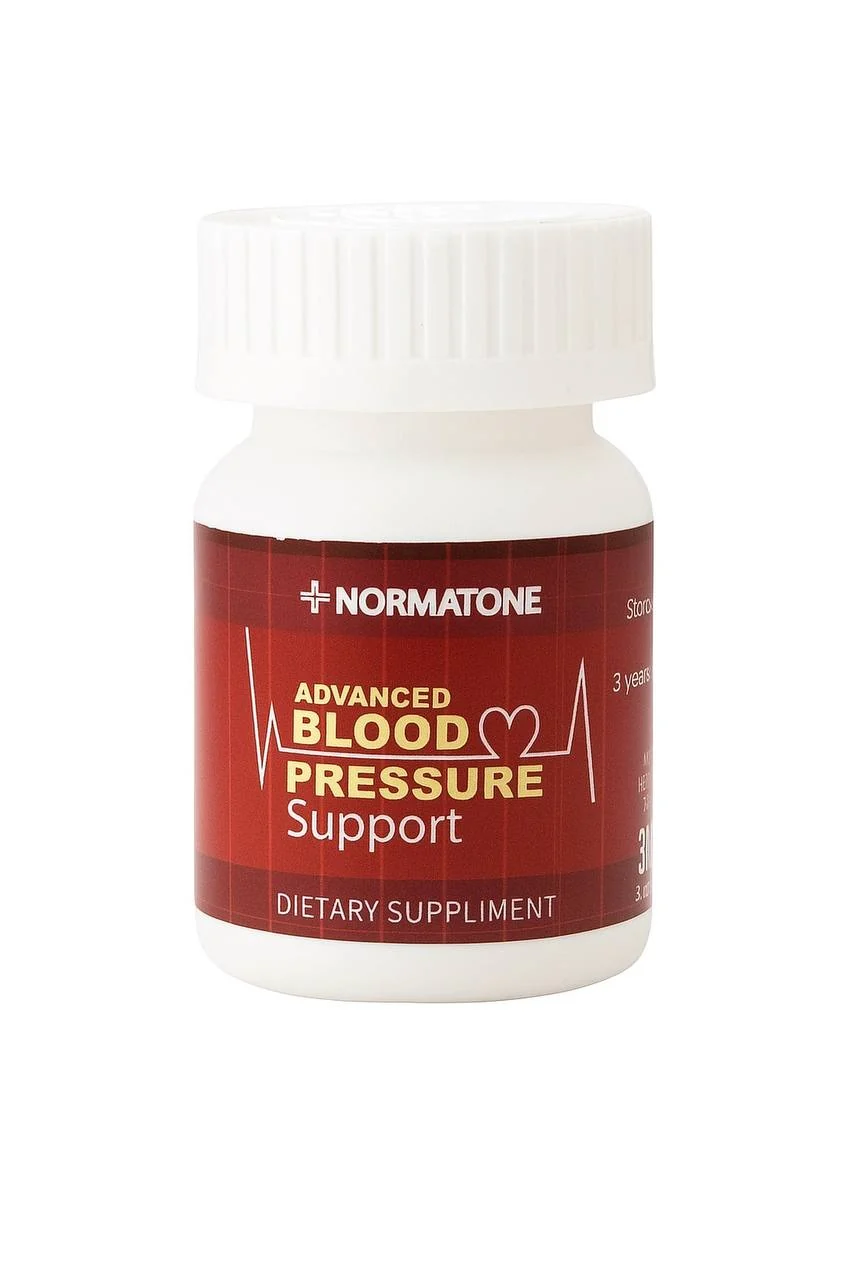 Normatone | capsules | Hawthorn Berry Extract, Garlic Extract, Coenzyme Q10 (CoQ10) | Ksh6,750 | Read review |
Frequently asked questions
Can supplements replace blood pressure medicine?
No. Supplements are not medicines and should never be used to replace prescribed treatment. Stopping or lowering a prescribed dose without medical advice can be dangerous. Any supplement should be discussed with a doctor first, especially if your blood pressure is already being managed.
Which ingredients are common in these products?
Common ingredients include magnesium, potassium, coenzyme Q10, omega-3 fatty acids and plant extracts such as hawthorn or garlic. Formulas differ in doses and combinations, and evidence for each ingredient varies, so reading the label carefully is more useful than relying on marketing.
How long does it take to notice any effect?
There is no reliable timeframe, and responses differ between individuals. Many people notice nothing measurable. A validated home blood pressure monitor and regular check-ups give a more honest picture than how you feel, and any change should be reviewed with a clinician.
Are heart supplements safe for everyone?
Not necessarily. People with kidney disease, those taking blood thinners, diuretics or blood pressure drugs, pregnant or breastfeeding women and older adults should seek professional advice first, because some minerals and herbs can interact with medicines or affect the body differently.
Where can these supplements be bought in Kenya?
Some are sold directly by the official distributor through an order form, followed by a confirmation call and delivery, often with payment on receipt. They are usually not stocked in pharmacies, and listings elsewhere may be copies, so confirm the seller before ordering.
When should I see a doctor instead?
See a doctor promptly for chest pain, breathlessness, fainting, palpitations, severe headaches or persistently high readings. Regular check-ups are also sensible if heart disease, diabetes or kidney disease runs in your family, before relying on any supplement.